Uncovering the Truth about Trucking Accidents
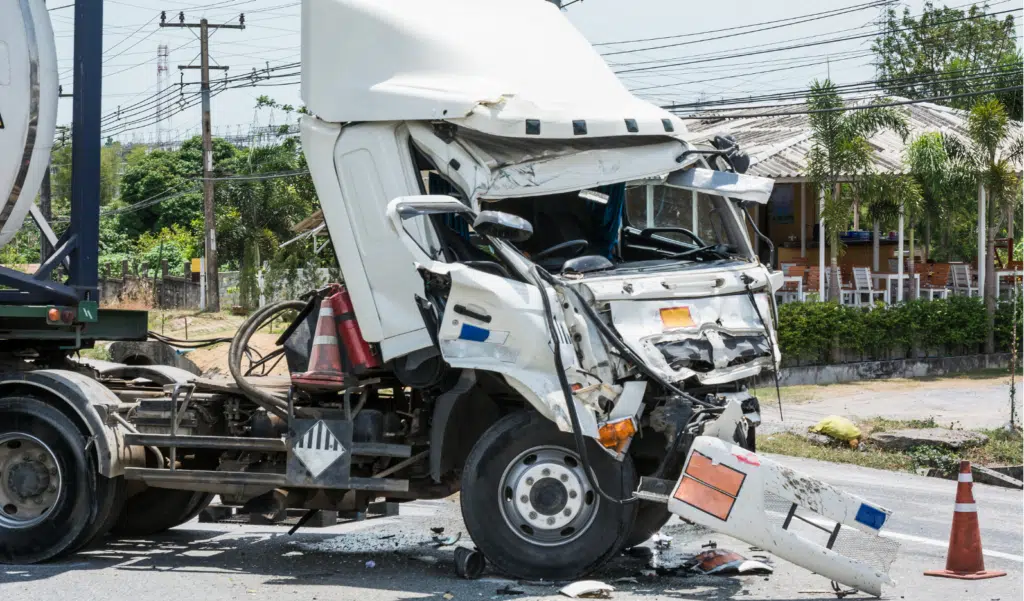
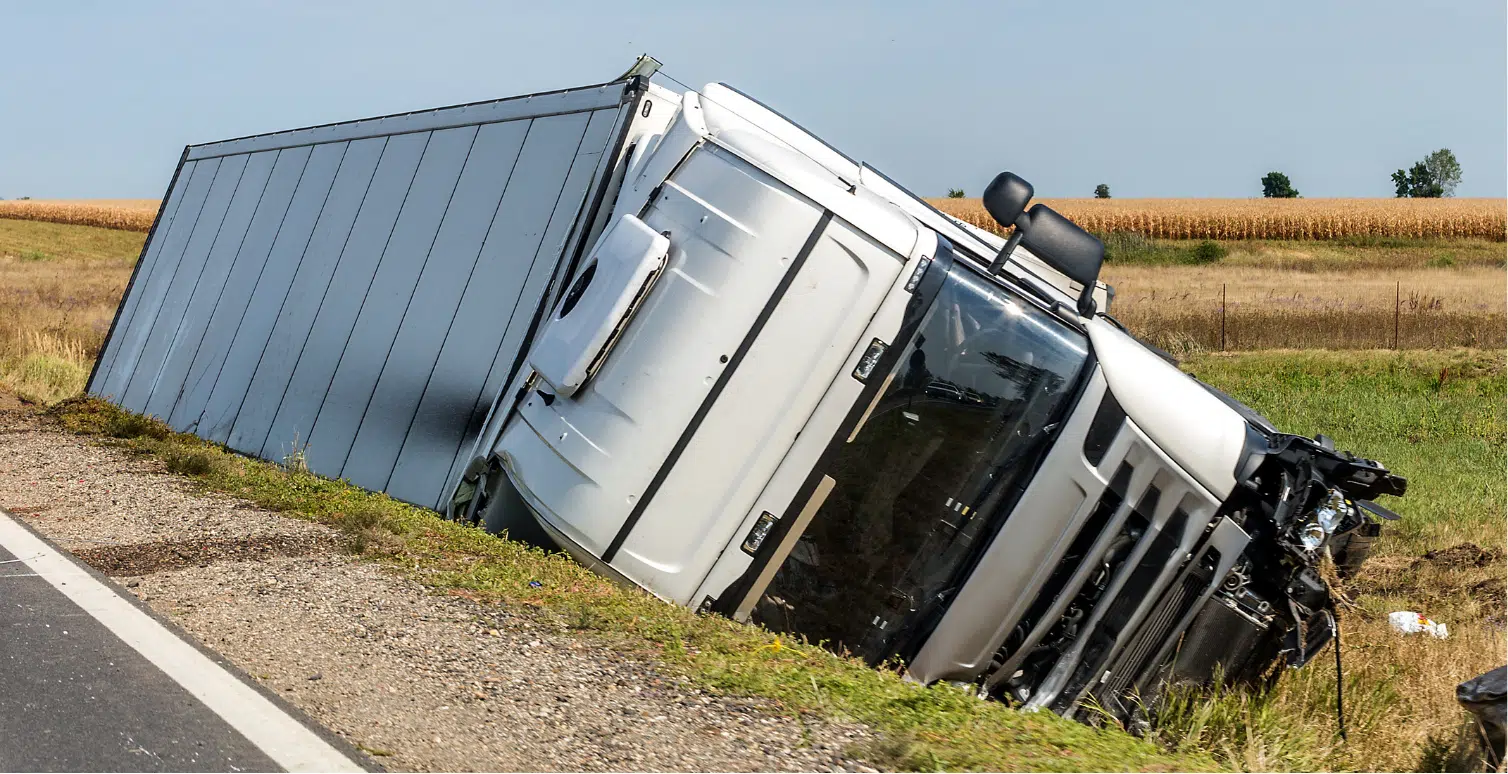
Commercial truck crashes often result in severe injuries, extensive property damage, and complicated legal disputes. Unlike passenger vehicle collisions, truck accidents involve multiple parties, extensive regulations, electronic data, and significant financial stakes. That’s why a trucking accident investigation is one of the most critical steps after a crash.
A thorough truck accident investigation goes beyond reviewing a police report. It examines driver behavior, vehicle maintenance, electronic records, road conditions, and compliance with federal safety regulations. Every piece of evidence helps determine what happened, why it happened, and who should be held responsible.
Whether you’re an attorney, insurance professional, or organization, understanding how investigations work can make a significant difference in achieving a fair outcome.
Why Every Truck Accident Requires a Detailed Investigation
Large commercial trucks can weigh up to 80,000 pounds when fully loaded. Because of their size and complexity, collisions often involve more severe consequences than passenger vehicle accidents.
A professional investigation helps answer important questions:
- What caused the collision?
- Did the driver violate safety regulations?
- Was mechanical failure involved?
- Did the trucking company properly maintain the vehicle?
- Were weather or roadway conditions contributing factors?
- Can electronic data verify the sequence of events?
Answering these questions requires expertise in engineering, transportation regulations, accident reconstruction, and evidence preservation.
Securing and Preserving Critical Evidence
Time is one of the biggest challenges after a truck crash.
Evidence can disappear quickly if it is not properly documented. Tire marks fade, damaged vehicles are repaired, electronic records may be overwritten, and witness memories become less reliable.
Investigators begin by preserving:
- Vehicle positions
- Skid marks
- Roadway debris
- Traffic control devices
- Weather conditions
- Vehicle damage
- Cargo placement
- Photographs and videos
- Surveillance footage
This initial documentation creates the foundation for the entire investigation.
Examining the Crash Scene
The accident scene provides valuable physical evidence that helps reconstruct what occurred.
Experienced investigators measure:
- Impact locations
- Final rest positions
- Road geometry
- Visibility distances and/or issues
- Lane widths
- Road grades
- Curves
- Guardrails
- Surface conditions
- Road signage
Using laser mapping, drones, GPS measurements, and photogrammetry, investigators create accurate diagrams that can later be analyzed or presented in court.
Even small roadway details may reveal important clues about driver decisions or vehicle performance.
Analyzing the Commercial Truck
Commercial vehicles contain evidence that can help explain the collision.
Investigators often inspect:
- Brake systems
- Steering components
- Tires
- Suspension
- Lights
- Trailer connections
- Cargo securement
- Air brake systems
- Mechanical failures
- Signs of poor maintenance
- Pre- and post-trip inspection records
Modern trucks also contain electronic control modules (ECMs) or event data recorders that may capture:
- Vehicle speed
- Brake application
- Throttle position
- Engine RPM
- Cruise control status
- Sudden deceleration
- Diagnostic trouble codes
- Time sequencing
These electronic records often confirm or contradict witness statements.
Reviewing Driver Records and Regulatory Compliance
Commercial truck drivers must comply with strict federal safety regulations established by the Federal Motor Carrier Safety Administration (FMCSA).
Investigators can evaluate:
- Hours-of-service logs
- Electronic logging device (ELD) data
- Driver qualification files
- Drug and alcohol testing records
- Medical certifications
- Training history
- Driving history
- Commercial driver’s license status
Driver fatigue remains one of the leading contributors to serious truck crashes. Reviewing work schedules and logbooks can identify violations that may have contributed to the collision.
Investigators also determine whether the driver met all required federal qualifications.
Evaluating the Trucking Company
Responsibility does not always stop with the driver.
A transportation company may share liability if it failed to:
- Maintain vehicles
- Properly train drivers
- Enforce safety policies
- Conduct inspections
- Monitor compliance
- Address previous violations
- Supervise operations
Investigators often review:
- Maintenance records
- Inspection reports
- Company safety manuals
- Dispatch records
- Hiring procedures
- Internal communications
Patterns of negligence can strengthen findings regarding liability.
Interviewing Witnesses and Reviewing Additional Evidence
Witnesses often provide perspectives unavailable through physical evidence alone.
Investigators may interview:
- Drivers
- Passengers
- Independent witnesses
- First responders
- Police officers
- Company representatives
Additional evidence may include:
- Dash camera footage
- Nearby security cameras
- Cell phone records
- GPS tracking
- Dispatch communications
- Weather reports
- Road maintenance records
- Vehicle maintenance history
- Hours of service records
Combining multiple evidence sources produces a more accurate understanding of the collision.
Reconstructing the Collision
Once evidence has been collected, specialists reconstruct the accident using engineering principles and scientific analysis.
Accident reconstruction considers:
- Vehicle speeds
- Driver perception and reaction time
- Momentum
- Energy transfer
- Crush damage
- Vehicle dynamics
- Visibility
- Human factors
- Weather conditions
- Lighting conditions
- Vehicle recalls
- Maintenance records
Advanced computer software allows investigators to simulate the sequence of events leading up to impact.
The resulting analysis can explain:
- How the crash occurred
- Whether the collision could have been avoided
- Which actions contributed most significantly
- Whether mechanical issues played a role
These findings frequently become important evidence during litigation, insurance claims, arbitration, or trial.
Final Thoughts
A professional trucking accident investigation is essential for understanding what happened after a serious commercial vehicle collision. By collecting evidence, analyzing vehicle systems, reviewing federal regulations, and reconstructing the crash, investigators can identify contributing factors and establish responsibility with confidence.
A comprehensive truck accident investigation combines engineering expertise, scientific analysis, and industry knowledge to uncover facts that might otherwise remain hidden. When accurate answers matter, partnering with experienced forensic experts ensures every detail is carefully examined, and every conclusion is supported by evidence.
For organizations, attorneys, and insurers seeking reliable accident analysis, ATA Associates provides decades of experience delivering objective forensic engineering and accident reconstruction services that stand up to the highest professional standards.
References
- National Highway Traffic Safety Administration. (2024). Traffic Safety Facts: Large Trucks. https://crashstats.nhtsa.dot.gov/
- National Transportation Safety Board. (2024). Highway Accident Reports.
https://www.ntsb.gov/safety/Pages/default.aspx - Federal Highway Administration. (2023). Roadway Safety. U.S. Department of Transportation. https://highways.dot.gov/safety
- Occupational Safety and Health Administration. (2024). Motor Vehicle Safety. https://www.osha.gov/motor-vehicle-safety