National Safety Month Tips: Preventing Slips, Trips and Falls
Slips, trips, and falls are among the most common causes of injuries at home and in the workplace. During National Safety Month, it’s a great time to focus on practical steps that reduce these risks. These incidents may seem minor at first, but they can lead to serious injuries, lost productivity, and costly consequences. The good news is that most of them are preventable with awareness and consistent habits.
In this guide, we’ll walk through National Safety Month tips that are easy to apply, realistic, and effective. Whether you’re managing a workplace or simply want a safer home environment, these strategies can help you stay ahead of hazards.
National Safety Month Tips for Identifying Common Hazards
One of the most important National Safety Month tips is learning how to recognize hazards before they lead to accidents. Many slips, trips, and falls happen because people overlook small risks that build up over time.
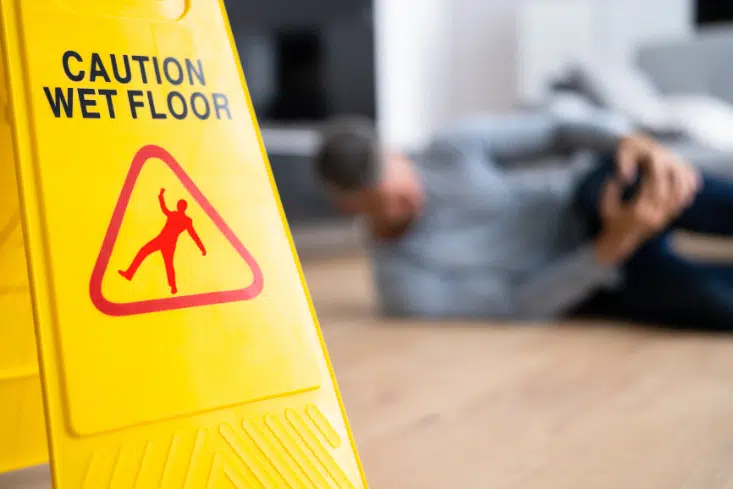
Start by paying attention to walking surfaces. Wet floors, uneven tiles, loose carpets, and cluttered pathways are common culprits. In workplaces, spills that are not cleaned immediately can quickly become dangerous. At home, something as simple as a misplaced shoe can cause a fall.
Lighting also plays a big role. Poor visibility makes it harder to notice obstacles or changes in floor levels. Hallways, staircases, and entryways should always be well-lit.
Another factor is footwear. Shoes without proper grip can increase the risk of slipping, especially on smooth or wet surfaces. Encouraging the use of appropriate footwear is a simple yet effective preventive measure.
Regular inspections can make a big difference. Walk through your environment daily and look for anything out of place. Addressing issues early is one of the most practical National Safety Month tips you can follow.
National Safety Month Tips for Workplace Safety Practices
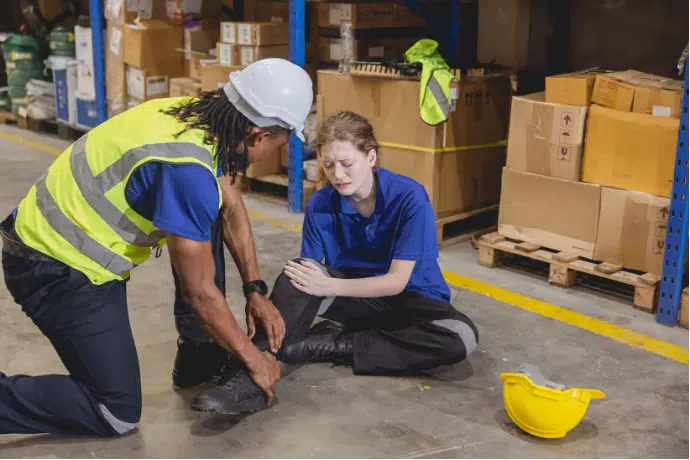
Workplaces are especially prone to slip, trip, and fall incidents due to higher foot traffic and shared spaces. Applying National Safety Month tips in a work setting requires both individual responsibility and organizational support.
Housekeeping should always be a priority. Clean as you go, and ensure spills are addressed immediately. Use warning signs when floors are wet to alert others.
Cables and wires should be secured properly. Loose cords across walkways are a major tripping hazard. Organizing them using cable covers or routing them along walls can prevent accidents.
Stair safety is another key area. Always use handrails and keep stairs free of clutter. Non-slip treads can add an extra layer of protection.
Training employees is essential. People are more likely to follow safety practices when they understand the risks. Regular reminders during National Safety Month can reinforce these habits.
Encouraging reporting is also important. Employees should feel comfortable pointing out hazards without hesitation. A proactive culture supports long-term safety.
National Safety Month Tips for Home Safety Improvements
Safety doesn’t stop at the workplace. Many accidents happen at home, making it just as important to apply National Safety Month tips in your personal space.
Start with entryways. Place mats near doors to reduce moisture being tracked inside. Wet floors are one of the leading causes of slips.
In bathrooms, install grab bars and use non-slip mats in showers and tubs. These areas are particularly risky due to constant moisture.
Keep walkways clear. Avoid leaving items on stairs or in hallways. Even small objects can become hazards.
Furniture placement also matters. Arrange your space to allow easy movement without obstacles. Sharp corners and unstable furniture can increase the risk of injury during a fall.
For households with children or elderly individuals, extra precautions are necessary. Use safety gates where needed and ensure frequently used items are within easy reach to avoid unnecessary climbing.
How ATA Associates Supports Safety Initiatives
ATA Associates plays a role in promoting safer environments by encouraging organizations to adopt better safety practices. By focusing on prevention and awareness, businesses can reduce incidents and create a more secure workplace for everyone.
Working with professionals who understand safety standards can help identify risks that might otherwise go unnoticed. This proactive approach aligns with the goals of National Safety Month.
Final Thoughts
Preventing slips, trips, and falls doesn’t require complicated solutions. By following these National Safety Month tips, you can create a safer environment both at work and at home.
Start with small changes, clear walkways, improve lighting, and stay aware of your surroundings. Over time, these actions build a strong foundation for safety.
National Safety Month is the perfect reminder that safety should always be a priority. With consistent effort and awareness, many accidents can be avoided entirely.
References
- Centers for Disease Control and Prevention. (2023). Important facts about falls.
https://www.cdc.gov/falls/data-research/facts-stats/ - National Safety Council. (2024). Slips, trips and falls.
https://www.nsc.org/workplace/safety-topics/slips-trips-and-falls - Occupational Safety and Health Administration. (2023). Walking-working surfaces.
https://www.osha.gov/walking-working-surfaces - Health and Safety Executive. (2023). Slips and trips.
https://www.hse.gov.uk/slips/index.htm