Marine Accident Reconstruction: Understanding What Really Happened at Sea
Marine accident reconstruction plays a critical role in uncovering the sequence of events behind maritime incidents. Whether it involves cargo vessels, passenger ships, fishing boats, or offshore structures, understanding what happened is essential for safety, accountability, and prevention. ATA Associates provides reliable support in this field, helping clients make informed decisions based on evidence and analysis.
Accidents at sea can involve multiple factors such as weather conditions, mechanical issues, human error, and navigational challenges. Maritime accident reconstruction brings all these elements together to form a clear and logical narrative. Instead of speculation, decisions are based on verifiable data and structured investigation.
Why Marine Accident Reconstruction Matters
Marine accident reconstruction is not just about identifying fault, it is about understanding the full picture. When an incident occurs, the consequences can be significant, including loss of life, environmental damage, and financial loss. Reconstructing the accident helps determine what went wrong and how similar incidents can be avoided in the future.
For shipping companies, insurers, and legal teams, maritime accident reconstruction provides clarity. It helps answer key questions such as:
- What caused the accident?
- Were safety protocols followed?
- Could the incident have been prevented?
By addressing these questions, organizations can improve operational practices and reduce risks moving forward.
Key Elements Involved in Marine Accident Reconstruction
Marine accident reconstruction involves several technical and analytical steps. Each step contributes to building a complete understanding of the incident.
Data Collection
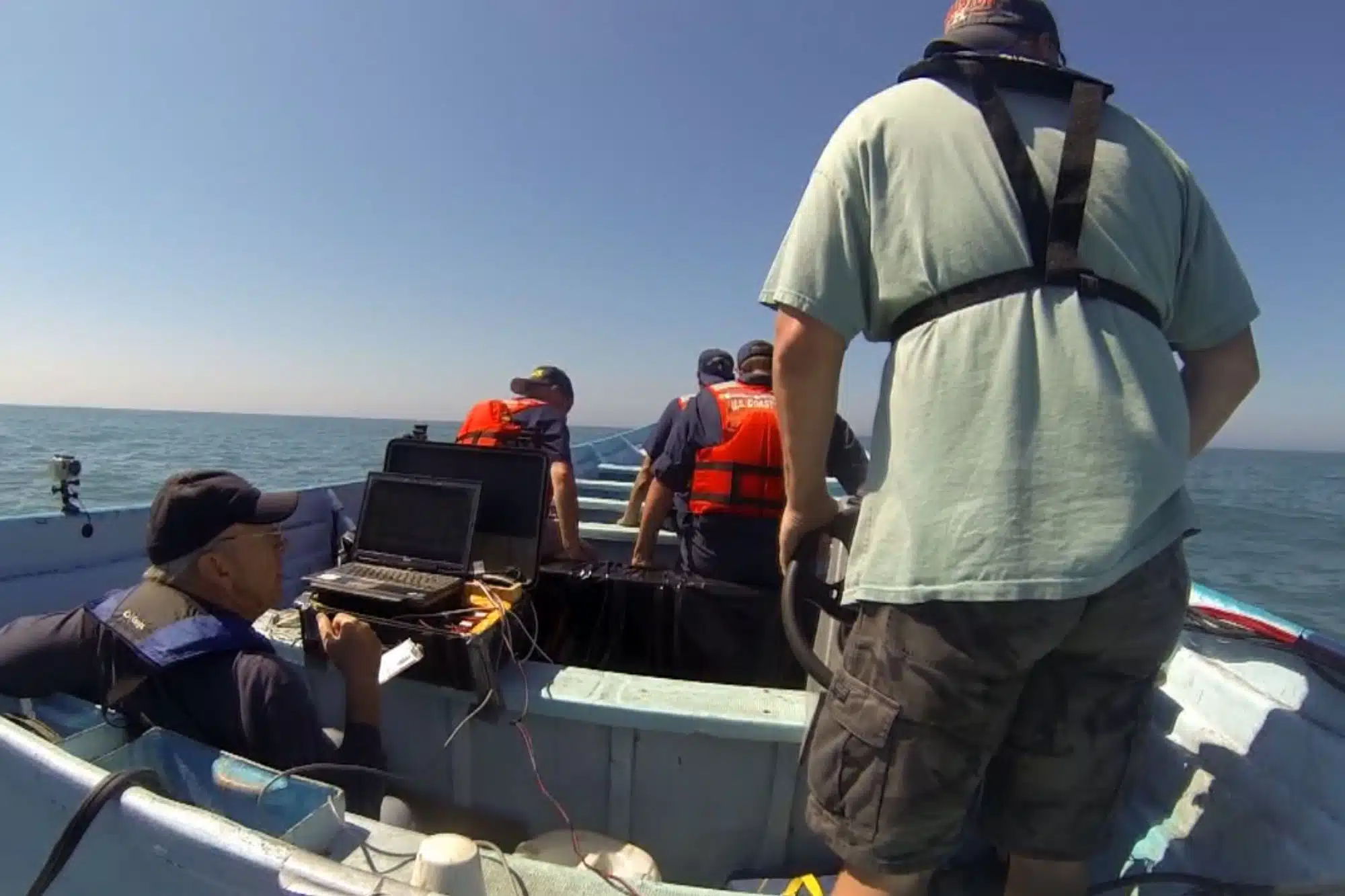
The process begins with gathering all available information. This includes voyage data recorder (VDR) data, GPS logs, radar records, weather reports, maintenance logs, and witness statements. Accurate data collection is essential because even small details can influence the outcome of the analysis.
Scene Analysis
Investigators examine the physical evidence from the accident site. This may include vessel damage, debris patterns, and environmental conditions. Photographs, videos, and inspection reports are carefully reviewed to identify key indicators.
Simulation and Modeling
Modern marine accident reconstruction often uses computer simulations to recreate the event. These simulations help visualize vessel movements, collision angles, and environmental influences such as currents and wind. By recreating the scenario, investigators can test different possibilities and determine the most likely sequence of events.
Human Factors Evaluation
Human decisions often play a role in maritime incidents. Marine accident reconstruction examines crew actions, communication, fatigue levels, and adherence to procedures. Understanding human factors helps provide a balanced view of the incident.
Common Causes Identified Through Marine Accident Reconstruction
Marine accident reconstruction frequently reveals recurring causes of maritime incidents. While each case is unique, certain patterns often emerge:
- Navigational errors due to poor visibility or miscommunication
- Mechanical failures such as engine or steering system issues
- Adverse weather conditions including storms and strong currents
- Inadequate maintenance or equipment failure
- Human error, including fatigue or lack of training
By identifying these causes, organizations can take proactive measures to improve safety standards.
Real-World Applications of Marine Accident Reconstruction
Marine accident reconstruction is used across various sectors within the maritime industry. Its applications extend beyond accident analysis and into prevention and policy development.
Legal and Insurance Cases
In legal disputes, marine accident reconstruction provides objective evidence. Courts and insurance companies rely on reconstruction reports to determine liability and compensation. The ability to present a clear and data-supported narrative strengthens decision-making.
Safety Improvements
Shipping companies use findings from marine accident reconstruction to enhance safety procedures. Lessons learned from past incidents are applied to training programs, operational guidelines, and risk management strategies.
Environmental Protection
When accidents involve oil spills or hazardous materials, marine accident reconstruction helps identify the source and extent of the damage. This information supports environmental response efforts and regulatory compliance.
Tools and Technology Used in Marine Accident Reconstruction
Advancements in technology have significantly improved the accuracy and efficiency of maritime accident reconstruction. Some commonly used tools include:
- Voyage Data Recorders (VDR) for tracking vessel activity
- Automatic Identification Systems (AIS) for monitoring ship positions
- Computer-aided simulation software for recreating incidents
- Drone and satellite imagery for site analysis
- Forensic engineering techniques for structural assessment
These tools allow investigators to analyze complex scenarios with greater confidence.
Challenges in Marine Accident Reconstruction
Despite technological advancements, marine accident reconstruction comes with its own set of challenges. One of the main difficulties is incomplete or damaged data. In some cases, key records may be lost due to the severity of the accident.
Environmental conditions also add complexity. Ocean currents, tides, and weather patterns can change rapidly, making it harder to recreate exact conditions. Additionally, human factors such as inconsistent witness statements can complicate the analysis.
Overcoming these challenges requires a structured approach and careful evaluation of all available evidence.
The Role of ATA Associates in Marine Accident Reconstruction
ATA Associates supports clients by providing thorough and reliable marine accident reconstruction services. The company works with legal teams, insurers, and maritime organizations to deliver clear findings based on evidence.
Their approach focuses on:
- Detailed investigation and documentation
- Use of advanced tools and simulation methods
- Clear reporting that is easy to understand
- Support throughout legal and insurance processes
By working with ATA Associates, clients gain access to structured analysis that helps them move forward with confidence.
Steps Involved in a Typical Marine Accident Reconstruction Case
Understanding the process can help clients know what to expect. A typical marine accident reconstruction case includes:
- Initial consultation and case review
- Collection of relevant data and documentation
- On-site inspection and evidence gathering
- Analysis and simulation of the घटना
- Preparation of a detailed report
- Presentation of findings in legal or insurance settings
Each step is designed to ensure accuracy and transparency.
Benefits of Marine Accident Reconstruction
Marine accident reconstruction offers several key benefits for individuals and organizations:
- Provides clarity on complex incidents
- Supports legal and insurance claims
- Helps prevent future accidents
- Improves safety standards
- Enhances decision-making processes
These benefits make it a valuable tool in the maritime industry.
Future Trends in Maritime Accident Reconstruction
The field of maritime accident reconstruction continues to evolve. Emerging technologies such as artificial intelligence and machine learning are expected to play a larger role in data analysis and simulation.
Increased use of real-time monitoring systems will also improve the availability of accurate data. As the industry moves forward, marine accident reconstruction will become even more efficient and reliable.
Conclusion
Marine accident reconstruction is an essential process for understanding maritime incidents and improving safety across the industry. By combining data analysis, simulation, and investigative techniques, it provides a clear picture of what happened and why.
ATA Associates continues to support clients with structured and reliable marine accident reconstruction services. Whether for legal cases, insurance claims, or safety improvements, the value of accurate reconstruction cannot be overstated.
References
- National Transportation Safety Board. (2024). Marine accident reports. Retrieved from https://www.ntsb.gov/investigations/Pages/Investigations.aspx
- Bureau of Safety and Environmental Enforcement. (2023). Incident investigations. Retrieved from https://www.bsee.gov/what-we-do/safety/incident-investigations